
Inside the Puzzle Box
Wooden Puzzle Boxes & Mechanical Brain Teasers: A Practical Guide for First-Time Buyers (and Curious Minds)
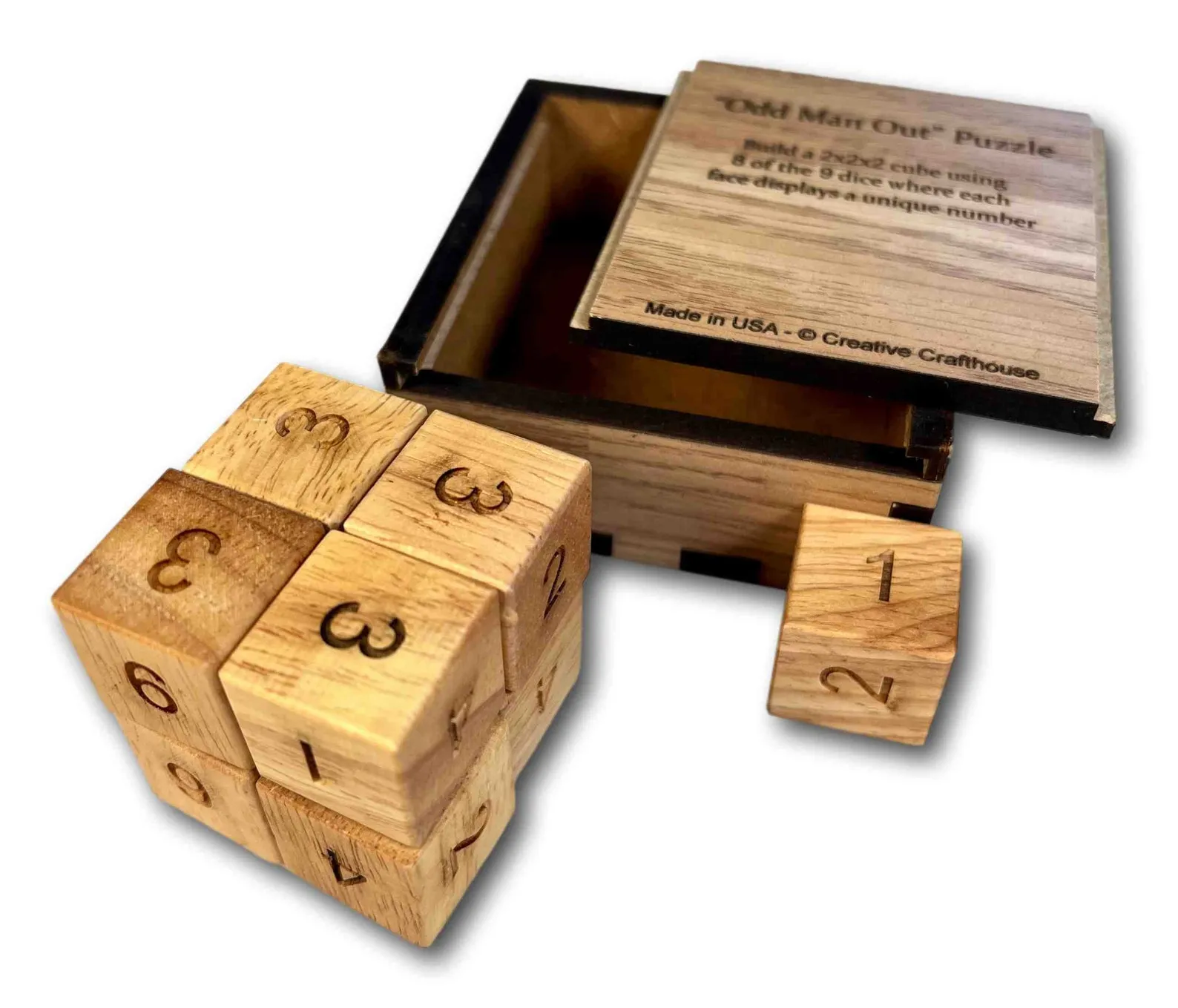
Wooden puzzle boxes and mechanical brain teasers are more than “cool-looking toys.” They’re hands-on logic challenges that sit somewhere between a game, a desk object, and a tiny engineering lesson. If you’ve ever picked up a box that doesn’t open normally—and felt your brain immediately switch into detective mode—you already understand the appeal.
This guide keeps the same big ideas, but in a smoother, easier-to-read flow: what these puzzles are, the main styles, how to pick the right difficulty, what quality looks like, how to enjoy them without frustration, why they’re worth keeping, and how to care for them. 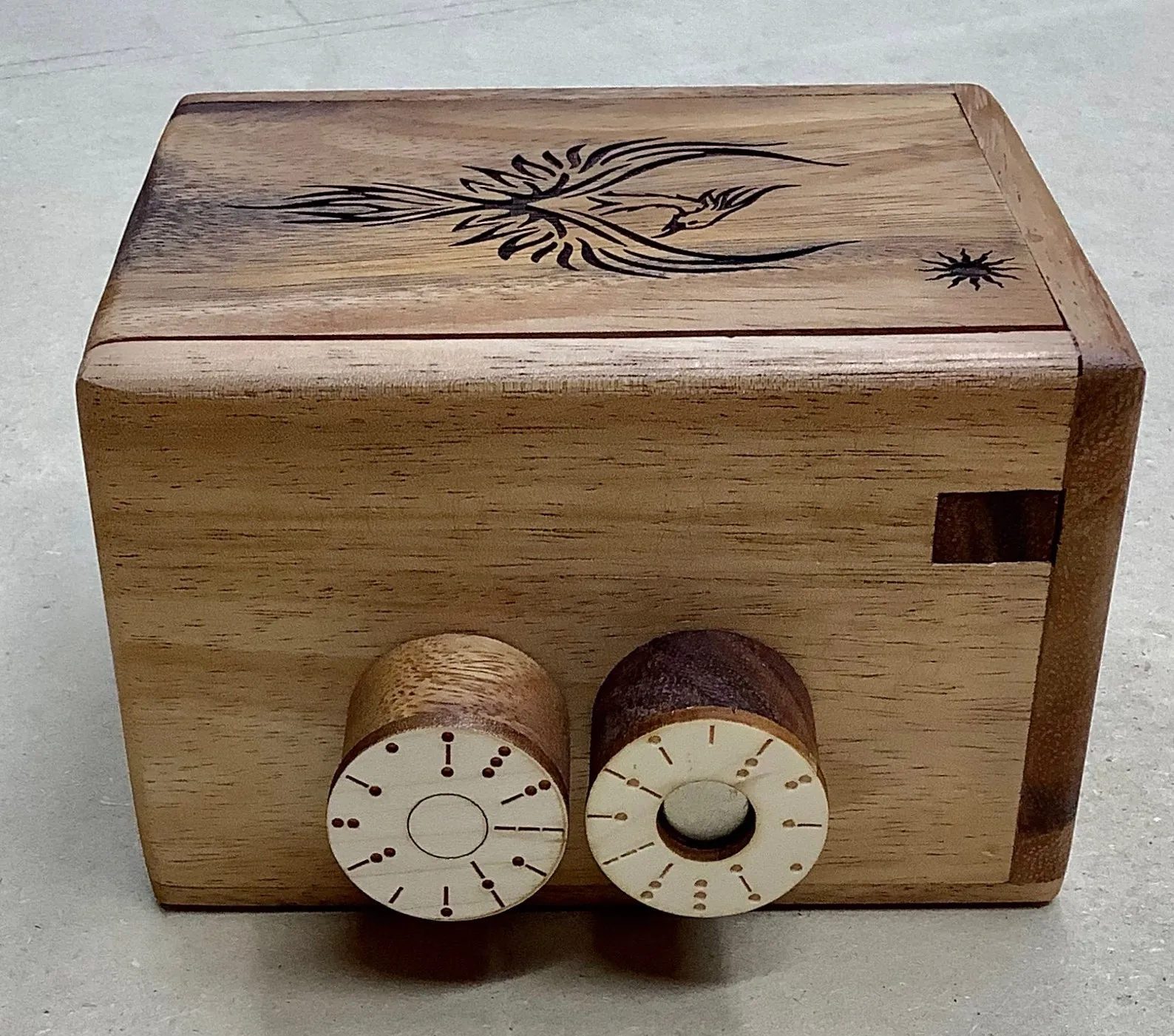
What is a wooden puzzle box, exactly?
A wooden puzzle box is a container with a hidden opening method. Instead of lifting a lid, you solve a mechanism. The “answer” is often a specific sequence of movements—sliding panels into alignment, releasing hidden catches, and progressing through multi-step discovery paths where one correct action reveals the next. The final reward is a secret compartment that stays discreet until the mechanism is solved.
A mechanical brain teaser is closely related but doesn’t always include storage. It may be a packing puzzle where pieces must fit into a frame with no gaps, a geometric fit challenge, or a transforming puzzle where several pieces can be rearranged into different shapes. The shared spirit is the same: you solve with your hands, your eyes, and your patience.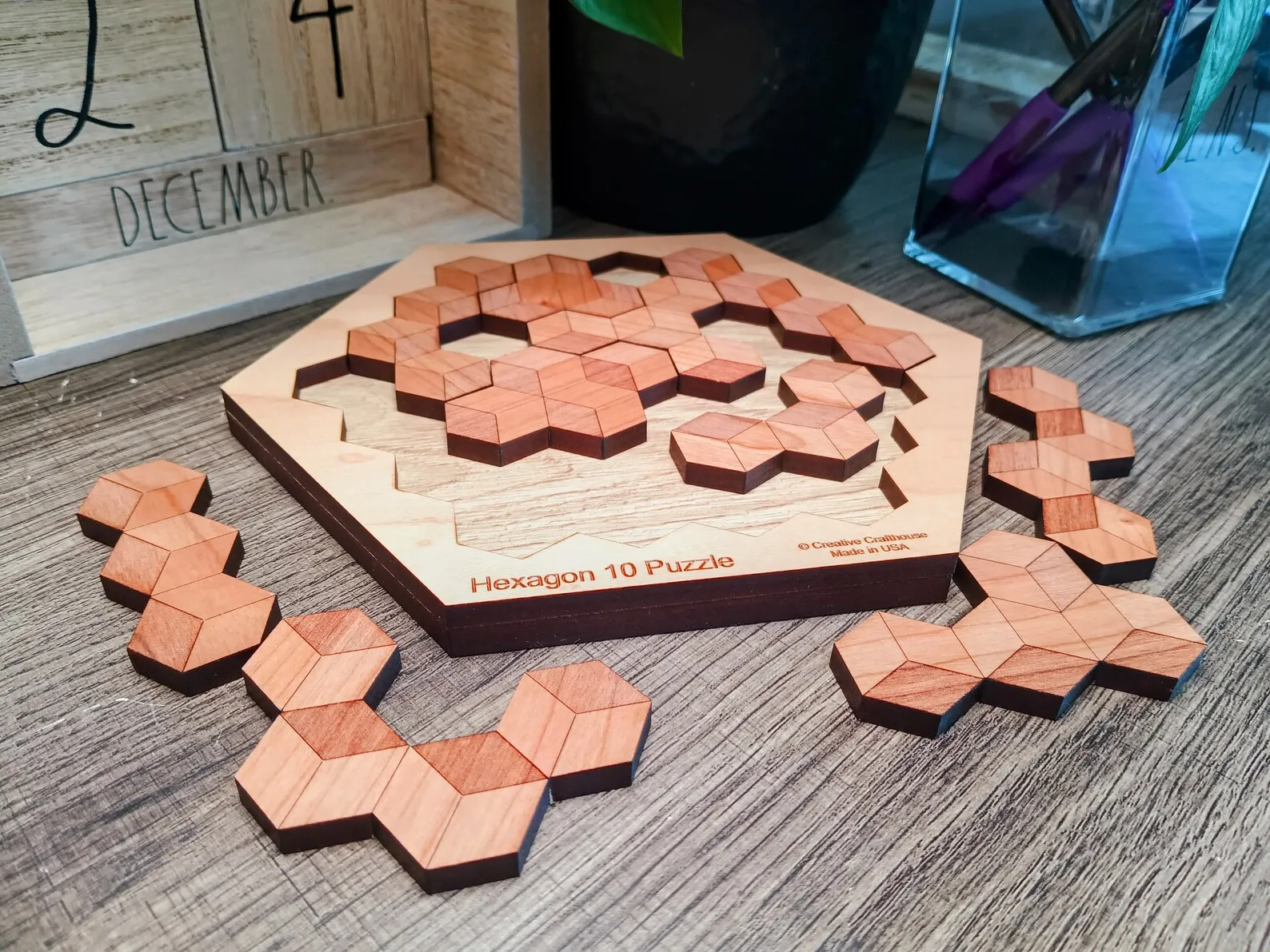
The main types (and who they’re best for)
If you love the idea of a surprise reveal and also want practical storage, secret-compartment puzzle boxes are the most intuitive place to start. They feel like a small mystery object: you know there’s a hidden space somewhere, and the fun is working out how to access it.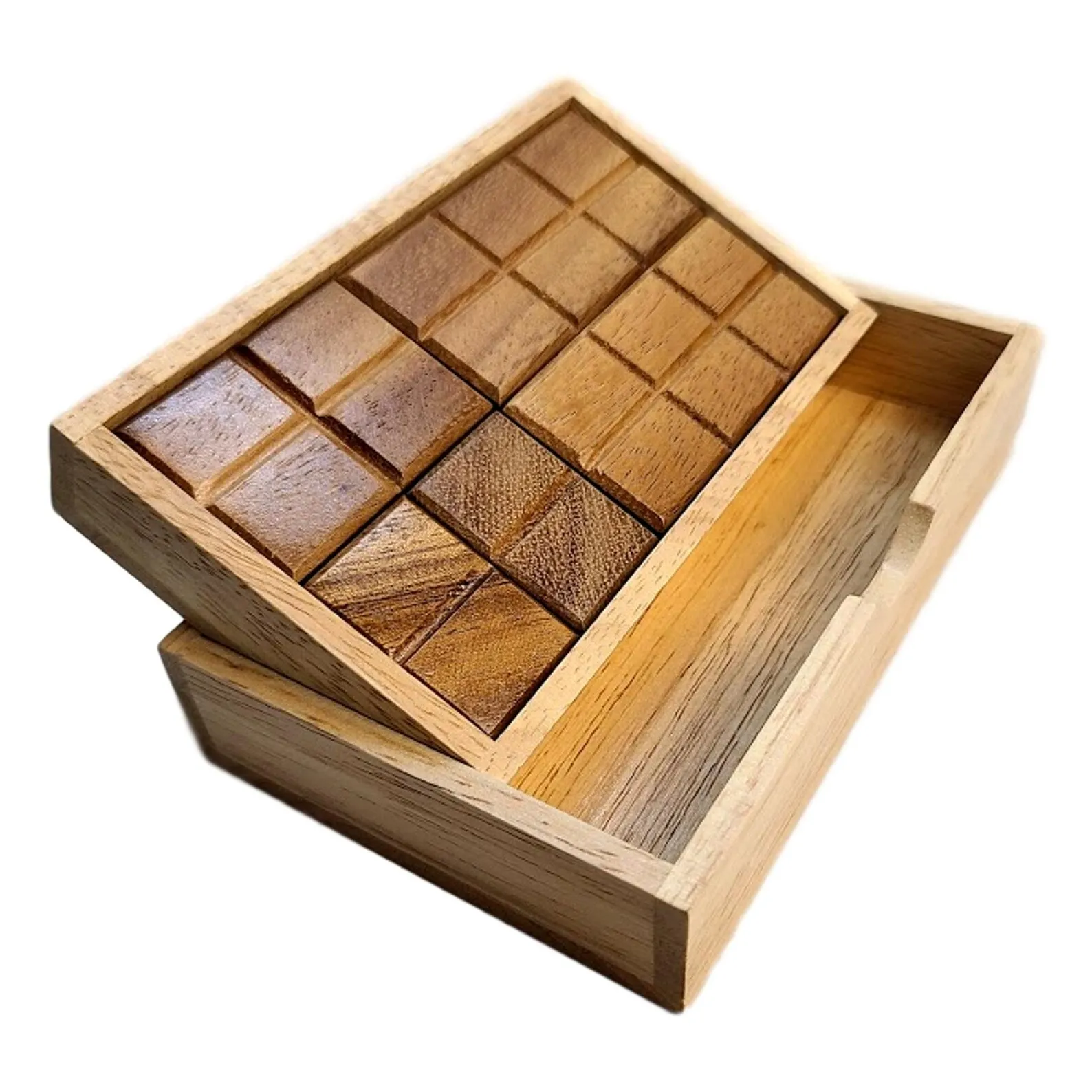
If you prefer a fair, step-by-step experience, sequential discovery boxes are usually the most satisfying. They’re built so each correct move creates noticeable progress—almost like following a chain of clues—so you feel guided even without instructions.
For people who enjoy escape rooms and “mission” challenges, lock-box styles capture that investigate–test–unlock vibe. You tend to explore multiple sides of the box, combine actions, and gradually understand how the mechanism is structured.
If your brain likes pure geometry, packing puzzles are a great match. They challenge you to place pieces into a frame perfectly, which sounds simple until you realize how one choice changes the remaining space. Transforming puzzles are another geometric style, but instead of chasing a single solution, the fun comes from variety—how many shapes you can build from one set.
How to choose the right difficulty (without guessing wrong)
Difficulty is often the deciding factor between “this is addictive” and “this is frustrating.” If you want a quick win, something to share casually, or a low-stress desk activity, go for puzzles with fewer moving parts and shorter sequences. They usually have more visible seams or clearer movement cues, which makes progress feel quicker.
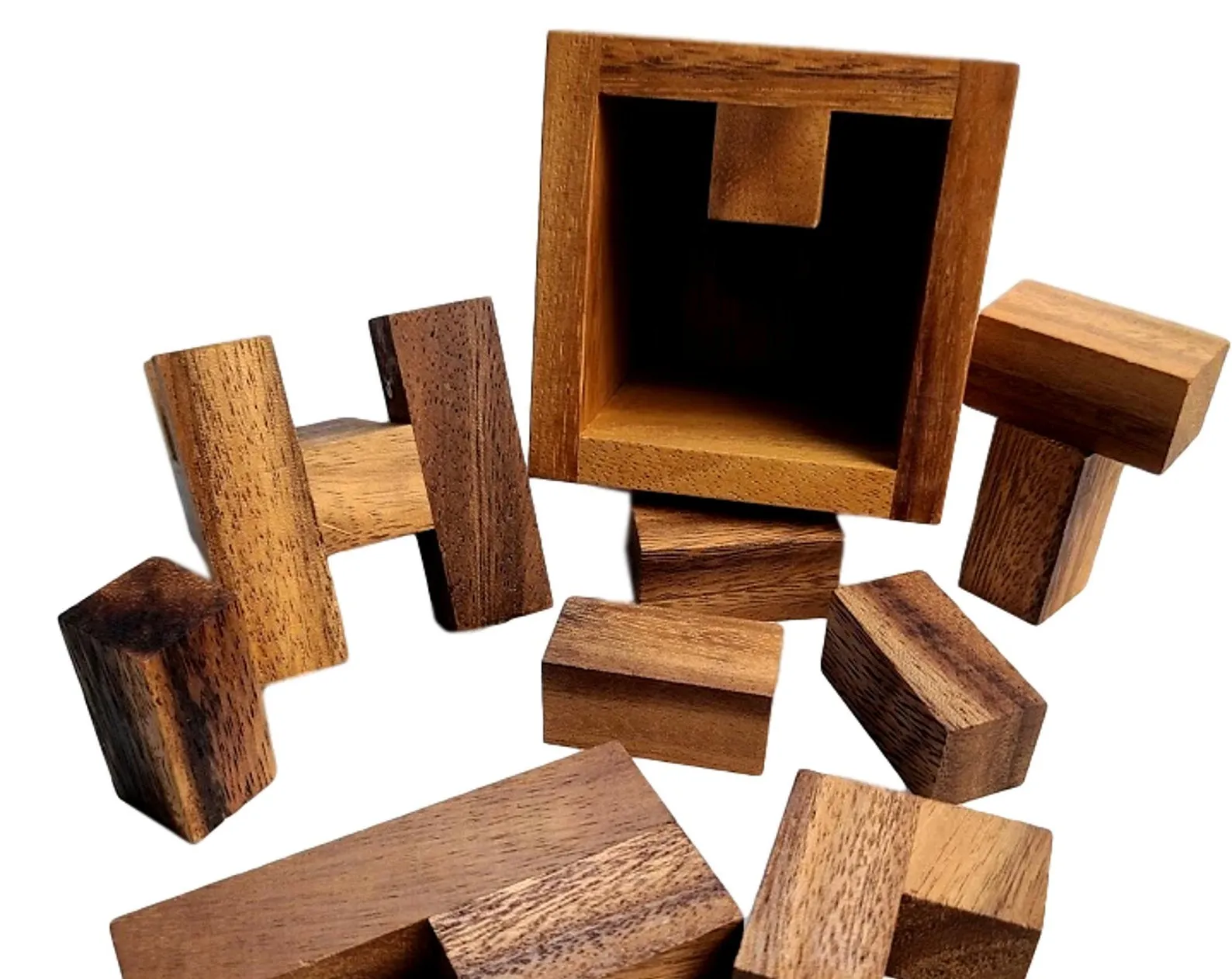
If you want a deeper challenge you can return to over time, look for multi-layer mechanisms, hidden stops, and longer discovery chains. These tend to reward careful memory and methodical testing, especially when the correct sequence isn’t obvious at first glance.
If you’re choosing as a gift, medium difficulty is the safest. It stays engaging and memorable without risking that “I gave up” moment.
What makes a good wooden puzzle (quality checklist)
A satisfying puzzle doesn’t just rely on a clever idea—it also depends on how well it’s built. The best ones move smoothly with controlled resistance: not loose and rattly, not so tight that it feels stuck. Good fit and alignment matter because sloppy seams can ruin both the logic and the enjoyment.
You’ll also notice that higher-quality puzzles give feedback. When you’re on the right track, something subtly changes—a shift, a release, a new movement becoming possible—so you feel rewarded for paying attention. Since these puzzles are handled a lot, comfortable edges and durable surfaces make a big difference, and a reset-friendly design helps the puzzle stay fun to share repeatedly.
How to enjoy the puzzle more (and avoid frustration)
Mechanical puzzles are rarely about force; they’re about noticing small changes. When you get stuck, it helps to step back and scan the whole object rather than fixating on one side. Gentle testing is key: you’re learning how far a part can travel and where it naturally stops. Progress often comes from tracking the “state” of the mechanism—after each move, ask yourself what changed, even if it seems minor.
Taking breaks works surprisingly well. Fresh eyes often spot the detail you missed when you were repeating the same idea. This is also why these puzzles can feel calming: they pull you into quiet focus and reward patience more than speed.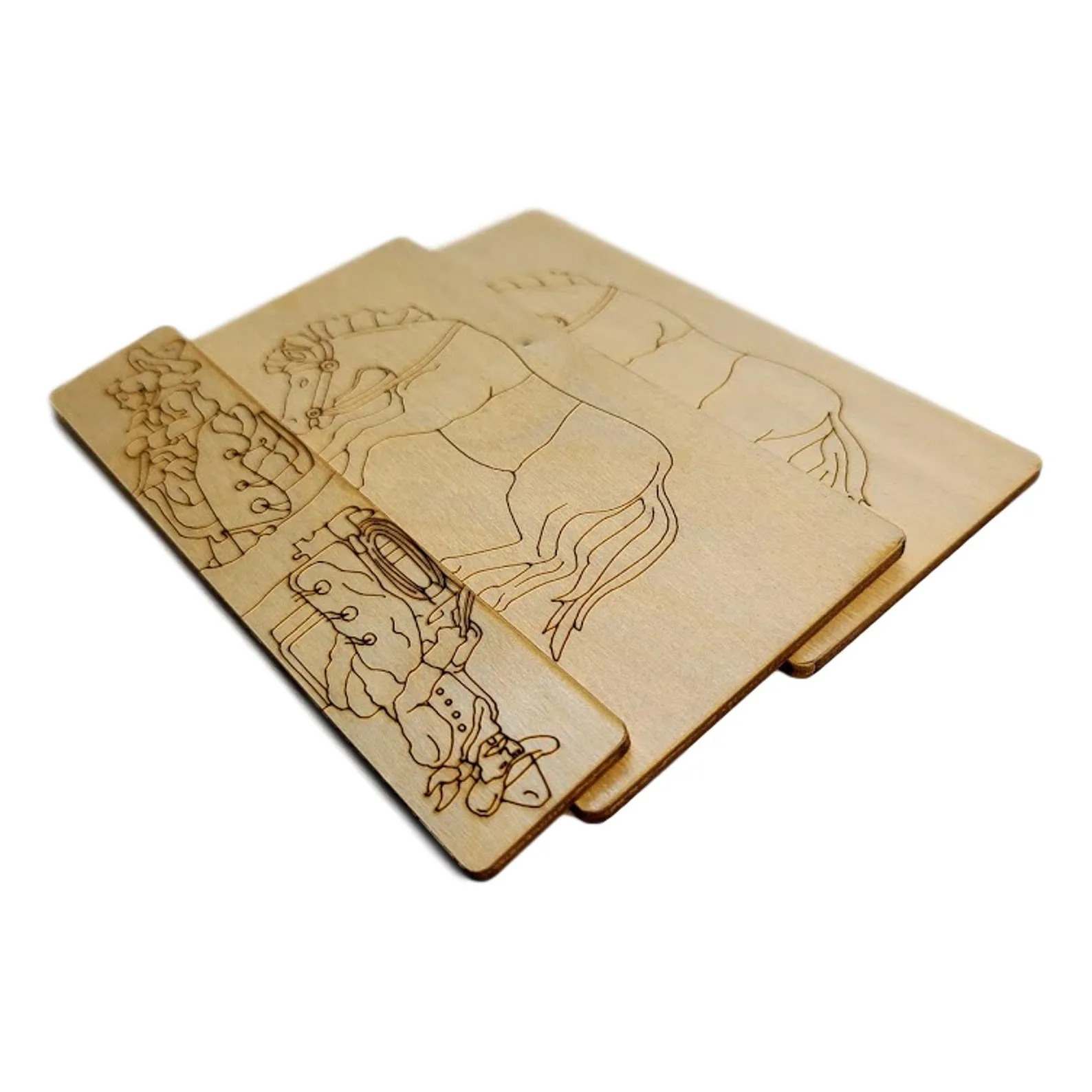
Why these puzzles feel valuable beyond entertainment
People keep these puzzles for years because they do more than one job. They’re a screen-free focus tool for breaks, a conversation piece on a desk or shelf, and a gentle way to train problem-solving habits like observation, method, and persistence. Even adults who don’t consider themselves “into toys” often enjoy them because they feel like a physical version of problem-solving—compact, quiet, and self-contained.
They’re also a special kind of gift because the opening itself becomes an experience. The recipient doesn’t just “see” what’s inside; they discover it.
Care tips (so it stays smooth and good-looking)
Wood is simple to maintain as long as it’s kept away from prolonged moisture, harsh sunlight, and direct heat. A soft dry cloth is usually enough for cleaning. If the surface feels dry over time, a tiny amount of wood-safe conditioner can help—just avoid anything heavy or oily that attracts dust and affects movement.
Final thoughts
If you want a toy that doesn’t feel disposable, wooden puzzle boxes and mechanical brain teasers are a strong choice. They’re tactile, replayable, and genuinely rewarding—not because the solution is the only prize, but because the process of noticing, testing, learning, and finally unlocking the hidden logic feels satisfying in a way few modern distractions do.
Our Store
Address: 2301 Industrial Parkway West, Hayward, CA, 94545
Phone: +1 (310) 924-1464
Email: [email protected]
Support Time: Mon–Sun: 8:00 AM-5:00 PM PST
